U.S. Plans Major Sanctions Relief for Syria
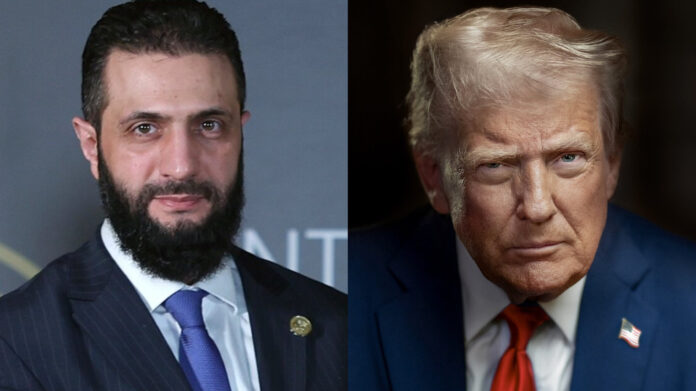
The United States has indicated it will remove the majority of sanctions imposed on Syria and is considering removing Hayat Tahrir al-Sham (HTS) from its terror designation list. A recent U.S. State Department announcement noted that the review covers not only HTS but also the “Specially Designated Global Terrorist” label attached to both the group and Syria’s President Ahmad al-Sharaa. Moreover, the U.S. might reconsider Syria’s classification as a state sponsor of terrorism in response to the evolving political climate.
An official statement described these measures as signaling a new chapter for the Syrian people. It also hinted that additional sanctions relief could be explored through international channels such as the United Nations. This policy shift follows the removal of the former Syrian leader Bashar al-Assad and the subsequent rise of a post-Assad leadership that is seen as more open to Western engagement. Notably, the HTS group, once a key player in ending the long-standing Assad regime, now finds itself at the center of considerable debate over its potential de-listing.
End of a Sanctions Regime
On Monday, an executive order signed by President Donald Trump formally terminated the sanctions that had long isolated Syria and stifled its economy. Described as a historic step, the decision is part of a comprehensive effort to support what Washington refers to as Syria’s “path to stability and peace.”
The White House stressed that the sanctions relief would not extend to Bashar al-Assad, his inner circle, or organizations linked to chemical weapons production, human rights abuses, or Iran-supported activities. However, sanctions originating from the Caesar Act that had targeted Syria’s economy will now be removed.
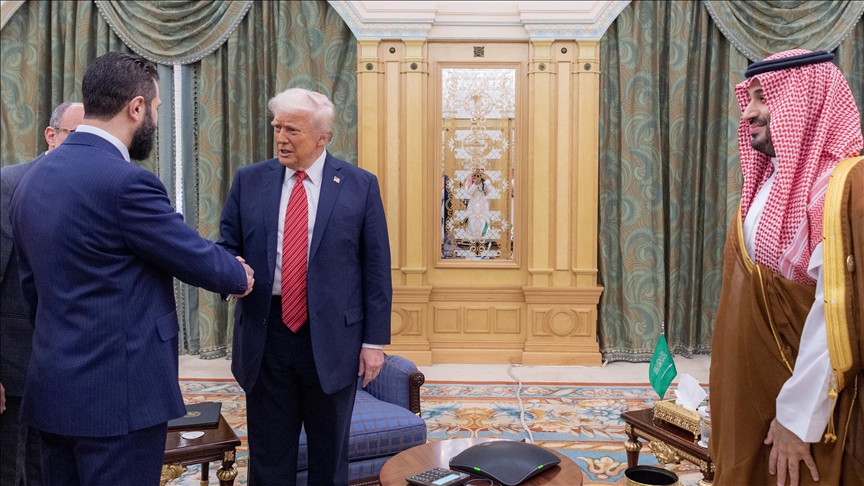
President Trump affirmed the United States’ commitment to fostering a peaceful, unified, and stable Syria. This announcement followed his remarks at an investment forum in Riyadh, where he denounced the sanctions as “brutal and crippling” measures. The very next day marked a milestone when he held direct discussions with Syria’s new president, former HTS commander Ahmad al-Sharaa—marking the first such meeting between American and Syrian leaders in 25 years. Al-Sharaa, whose nom de guerre is Abu Mohammad al-Julani, had seen a previous U.S. bounty removed from his record after his decisive takeover of Damascus.
Positive Reactions from Damascus
Syria’s government has welcomed the U.S. move, hailing it as a pivotal moment for the nation’s future. A senior official in Damascus stated that removing most sanctions would unlock new possibilities for reconstruction and development, including critical infrastructure projects and the resettlement of displaced citizens. The leadership in Syria now appears eager to reconnect with the international community after decades of isolation.
While some European countries remain cautious about the implications of easing sanctions, regional partners such as Saudi Arabia and the United Arab Emirates have voiced strong support, anticipating substantial Gulf investments to aid Syria’s recovery. U.S. authorities have underlined that, despite the broad sanctions relief, measures will continue to target individuals and organizations linked to past atrocities or destabilizing activities. Officials emphasize that the policy adjustment is a pragmatic response to Syria’s changed circumstances rather than unconditionally endorsing all factions involved.
Further details regarding the status of HTS and the future scope of U.S. involvement in Syria are expected in the coming weeks. Amid the optimism, there have been murmurs about possible moves toward broader normalization in the Arab region, including potential shifts in Syria’s stance toward Israel—claims that Damascus has firmly dismissed.
Embracing Faith, One Insight at a Time!
The teachings of the Quran have always guided my path. With a deep passion for Islamic knowledge, I strive to blend the wisdom of tradition with the relevance of today, making the timeless messages of Islam accessible and meaningful for everyone.
Muslim Culture Hub is my platform to share historical insights and thought-provoking articles, exploring both well-known and lesser-discussed aspects of Islamic culture and beliefs. My mission is to create an inclusive online space where everyone can learn, strengthen their faith, and connect with the profound message of Islam.
Join the journey!
May peace be upon you.