Lies, Pain, and Lasting Damage Eleven Years On
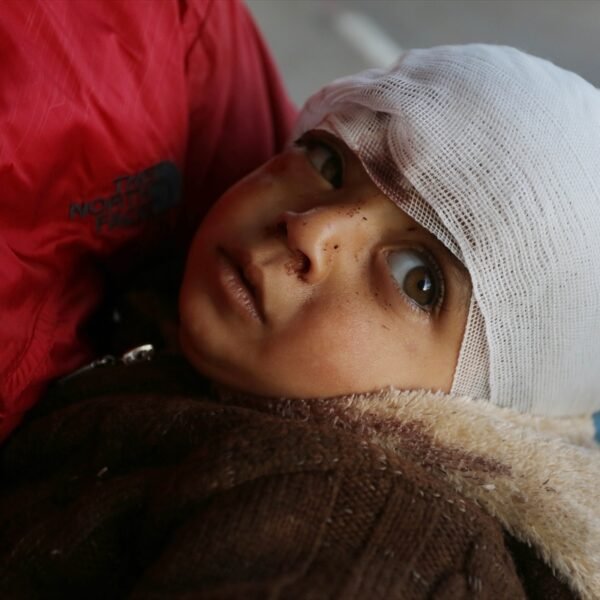
More than a decade has passed since the notorious Trojan Horse Affair shook Birmingham, yet its echoes continue to affect the lives of British Muslims. For many, this scandal is not merely a chapter in history but a personal experience that exposed the tenuous position of Muslim communities within British society.
Initially ignited by a hoax letter in 2013 that falsely alleged a plot by “Muslim extremists” to take over local schools, the affair was quickly dismissed as a fabricated conspiracy. However, driven by deep-seated prejudices and opportunistic media and political narratives, the incident evolved into a full-blown crisis that damaged the careers of distinguished Muslim educators and led to years of underperformance in schools once celebrated for their excellence.
Abdullah Saif, a leader engaged in community relations, observes that the institutions once thriving at the scandal’s core have since faced declining fortunes, adversely influencing the futures of students in disadvantaged neighborhoods. According to Saif, the tragedy affected not only skilled teachers and their supportive governors but also the young students, leaving behind an educational system marred by disillusionment and decreased achievement. Saif also notes that the affair served as fertile ground for embedding enduring Islamophobic attitudes, which have since paved the way for anti-Muslim conspiracy theories to gain traction.
The Sequence of Events
- November 2013: An anonymous letter titled “Operation Trojan Horse” arrives at Birmingham City Council. It alleges that “Muslim extremists” aimed to infiltrate state schools, particularly in predominantly Muslim areas. The letter outlines a supposed five-point strategy to appoint sympathetic figures in governing bodies and to implement conservative Islamic practices, targeting schools such as Park View Academy.
- March 2014: The letter becomes public, sparking a media frenzy. Sensational headlines fuel fears of a radicalisation plot in schools. In response, Birmingham City Council, along with the Department for Education, launches investigations while Ofsted inspects 21 institutions on short notice.
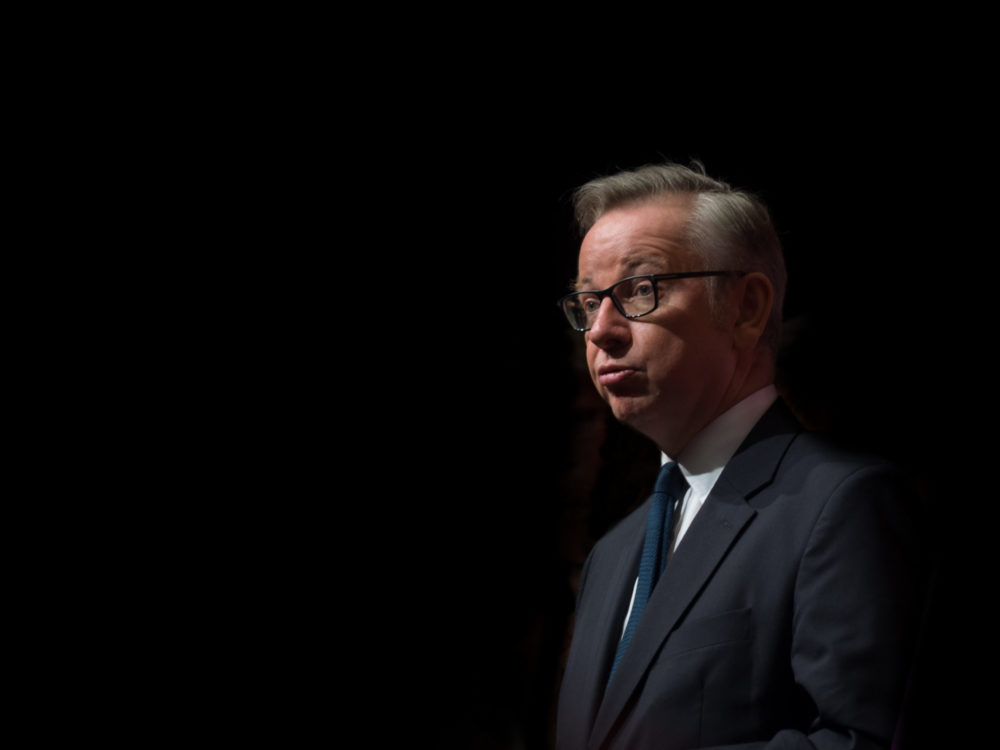
- April to June 2014: Ofsted places several schools, including Park View, Golden Hillock, Nansen Primary, Oldknow Academy, and Saltley School, into special measures for failing to counter extremism and foster tolerance. Even previously outstanding schools suffer significant downgrades overnight. In the wake of these revelations, Education Secretary Michael Gove commissions Peter Clarke, former head of counterterrorism at the Metropolitan Police, to probe the matter as part of a broader national security concern.
- July 2014: Clarke’s investigation finds no evidence supporting claims of terrorism or violent extremism, though he does remark that some staff appeared to promote a “narrow faith-based ideology.” The fallout includes the defunding of three schools and disciplinary actions against 12 teachers accused of exerting undue religious influence. Prime Minister David Cameron establishes an Extremism Taskforce, while Gove emphasizes the need for schools to uphold values such as tolerance and fairness.
- 2015: The Prevent Duty is introduced, requiring educators to watch for signs of extremism—a policy that has since been criticized for singling out Muslim students and their communities. Despite accumulating evidence that discredits the conspiracies, local authorities like Birmingham’s education commissioner insist on the letter’s authenticity.
- 2017: Disciplinary proceedings falter amid procedural flaws, including undisclosed witness statements. With no teacher ultimately banned, the narrative of an Islamist plot gradually loses credibility. Scholars later compare the affair’s flawed narrative to other well-known miscarriages of justice.
- 2022: A podcast revisits the Trojan Horse Affair, revealing earlier warnings to officials that the letter was likely a hoax. These revelations prompt the Muslim Council of Britain to demand an impartial investigation into the biases that influenced the scandal’s handling, although mainstream media responses remain minimal.
- 2025: Over a decade later, the true author of the hoax remains unmasked and no substantive evidence of an extremist plot has ever emerged. The controversy continues to be a point of contention, with persistent calls for accountability and redress on behalf of the impacted teachers, community members, and local youth.
The Enduring Impact on UK Muslim Communities
For many in the Muslim community, the Trojan Horse episode remains an open wound. It was far more than an isolated case affecting a few schools—it was a moment when state and media forces combined to stigmatize an entire minority in Birmingham, casting Islam and Muslim cultural practices in a threatening light.
The hoax letter ignited pre-existing Islamophobic sentiments, with inflammatory media headlines and narratives portraying Muslims as an internal menace. Over time, these harmful depictions have contributed to the rise of far-right voices and political groups seeking to exaggerate fears of “internal threats.”
In neighborhoods such as Alum Rock, the repercussions have been particularly severe. Schools that once represented success stories faced abrupt and unjust decline, with drastic policy changes that sidelined academic achievements in favor of mandated “British values.” The introduction of these values alongside the Prevent Duty has, in effect, cast a long-standing suspicion on Muslim identity, subjecting young students to increased scrutiny over expressions of their faith.
Experts argue that policies like the Prevent Duty have become counterproductive. They cite instances where students, with no wrongdoing to their names, find their records marked by unfounded allegations of extremism—a label that can follow them well into higher education and beyond.
Now, as the legacy of the Trojan Horse Affair endures, there remains a pervasive sense of injustice. No one has been held accountable for the harm caused by the hoax or for the mishandling of its aftermath. For many British Muslims, this unresolved episode is a stark reminder of how the abuse of power—a single spurious letter—can reshape public policy, damage lives, and perpetuate damaging prejudices.


Embracing Faith, One Insight at a Time!
The teachings of the Quran have always guided my path. With a deep passion for Islamic knowledge, I strive to blend the wisdom of tradition with the relevance of today, making the timeless messages of Islam accessible and meaningful for everyone.
Muslim Culture Hub is my platform to share historical insights and thought-provoking articles, exploring both well-known and lesser-discussed aspects of Islamic culture and beliefs. My mission is to create an inclusive online space where everyone can learn, strengthen their faith, and connect with the profound message of Islam.
Join the journey!
May peace be upon you.