GHF Chief Justifies Gaza Aid Operation Amid Rising Casualties
A controversial aid organization, backed by US and Israeli interests, has come under intense scrutiny as reports emerge of Palestinian casualties during operations near delivery sites. The group’s leader, Johnnie Moore, addressed these concerns in a recent interview, asserting that while fatalities near the aid points have occurred, they are frequently misattributed solely to the presence of his organization.
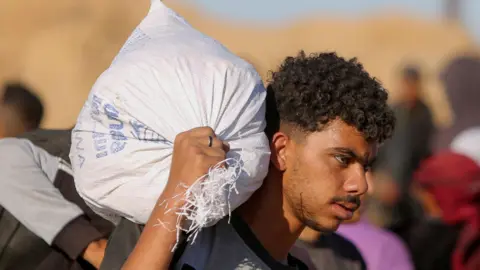
Moore rejected claims that 100% of the casualties near aid sites could be blamed on his operations. He criticized international agencies, including the United Nations, for circulating unverified details about the incidents. For instance, despite the UN leadership describing the process as “inherently unsafe”—citing the inevitable risks of directing displaced civilians into conflict zones—the GHF chief was quick to point out that the narrative does not fully reflect the complex situation on the ground.
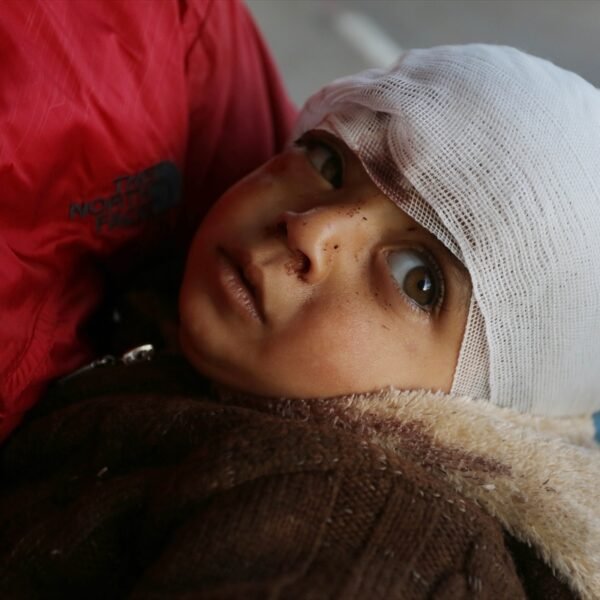
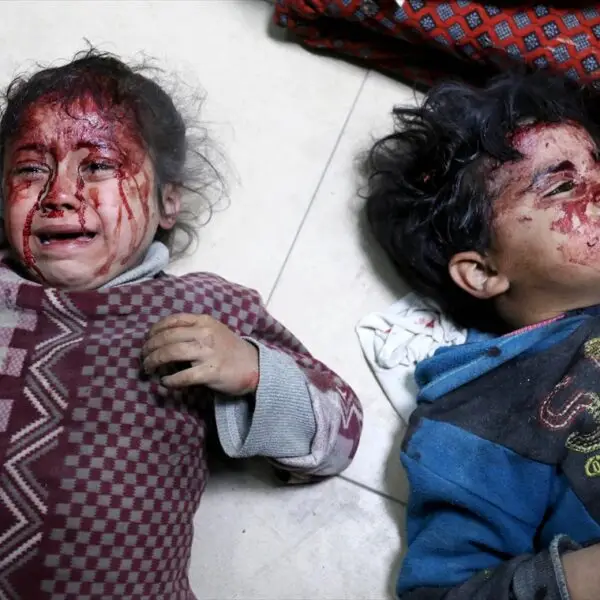
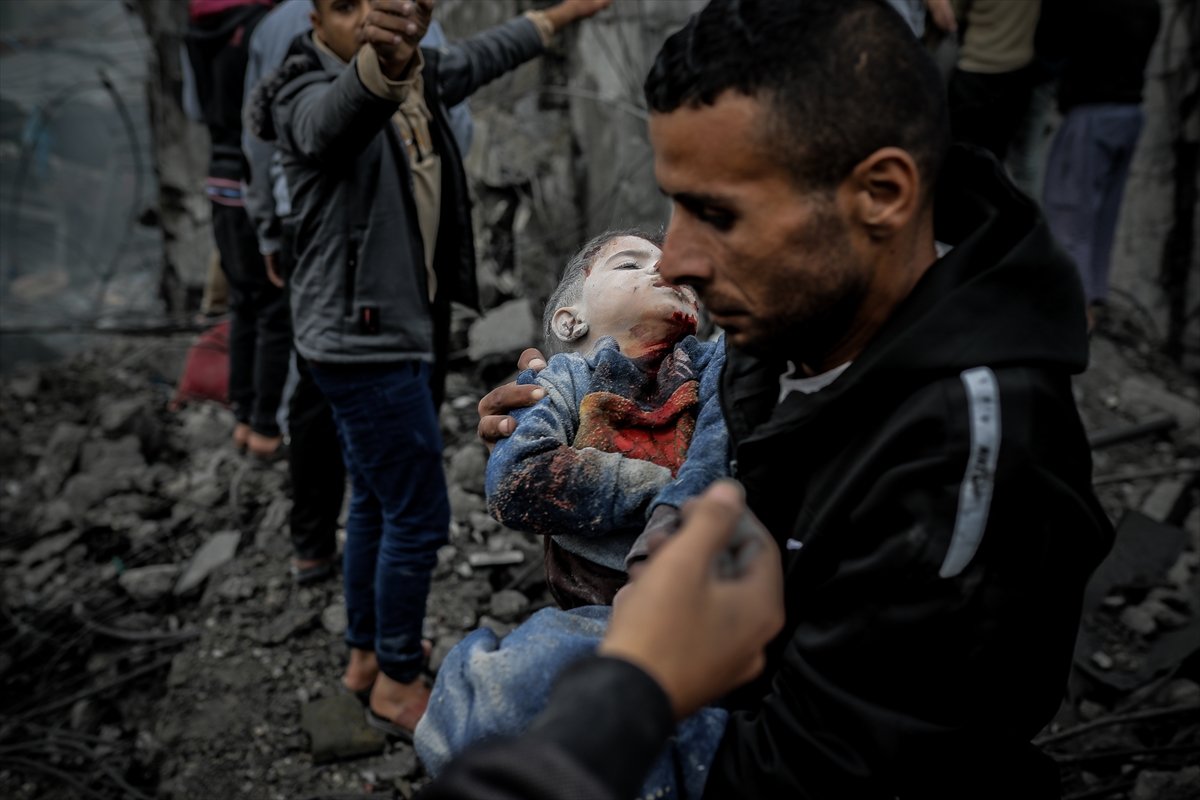
Since the humanitarian effort began in late May, there have been multiple instances in early June where several Palestinians lost their lives while attempting to collect essential supplies. Reports indicate that over 500 people have been fatally injured and around 4,000 wounded as they gathered aid. Numerous accounts from eyewitnesses and medical professionals have described situations where armed forces fired into crowds near distribution centers, intensifying the volatile environment.
Recent reports have further fueled controversy after an unnamed group of soldiers was alleged to have been ordered to disperse unarmed civilians by using live ammunition near the aid locations. However, the military has refuted such assertions, clarifying that its personnel were only issuing warning shots to discourage those perceived as potential threats. Steps have been taken to bolster security in the areas around the handout zones, including the installation of additional fencing, enhanced signage, and the creation of alternative access routes.
Moore maintained that precise responsibility for any tragic outcome remains difficult to determine. While acknowledging that investigations are ongoing, he stressed that there is no hard evidence connecting GHF operations directly to the casualties. In his view, misrepresentation of events by external bodies has overshadowed the actual dynamics influencing these incidents. Recalling a period when most aid trucks were reportedly at risk of hijacking before his organization took charge, he argued that the narrative of widespread misfortune is selectively manipulated.
Despite the operational challenges and admitted inefficiencies, the GHF remains committed to its mission of alleviating hunger in Gaza. The organization is striving to distribute enough food to provide nearly 50 million meals—a significant increase compared to the previous month’s levels—even as the region contends with enduring shortages and an escalating humanitarian crisis.
On Thursday, a notable development saw the US State Department allocate $30 million in funding to the initiative—a rare instance of direct financial support for the group. This assistance arrives against a backdrop of an ongoing conflict that began when Hamas mounted a large-scale assault on Israel, leading to over a thousand deaths and several hundred hostages being taken. Meanwhile, the Gaza territory, according to local health authorities, has suffered tens of thousands of casualties since the conflict reignited.
As the situation continues to evolve in the region, both the aid organization and governmental forces appear intent on revisiting and refining their responses. Moore’s remarks underscore an enduring contention over responsibility and truth amid the chaos, with both sides grappling with the complex realities that define humanitarian work in conflict zones.

Embracing Faith, One Insight at a Time!
The teachings of the Quran have always guided my path. With a deep passion for Islamic knowledge, I strive to blend the wisdom of tradition with the relevance of today, making the timeless messages of Islam accessible and meaningful for everyone.
Muslim Culture Hub is my platform to share historical insights and thought-provoking articles, exploring both well-known and lesser-discussed aspects of Islamic culture and beliefs. My mission is to create an inclusive online space where everyone can learn, strengthen their faith, and connect with the profound message of Islam.
Join the journey!
May peace be upon you.